Choosing between Centerville and Beavercreek for a Wright-Patterson AFB commute is a smart first step. You want a home that fits your life and a drive that is predictable, not a daily wild card. In this guide, you will get a clear, side-by-side look at commute patterns, housing styles, HOA expectations, taxes, and practical checks you can run before you write an offer. Let’s dive in.
Quick take: commute vs lifestyle
- If the shortest, most predictable drive is your top priority, Beavercreek typically has the edge because it borders WPAFB and offers more direct routes to base gates.
- If you prefer established, walkable neighborhoods and a historic downtown, Centerville is appealing, with a mix of older homes and character-rich streets.
- HOAs are more common in Beavercreek due to newer planned communities. Centerville has a mix of non-HOA neighborhoods and newer HOA areas.
- Property tax outcomes vary by county and school district. Centerville is in Montgomery County and Beavercreek is primarily in Greene County. Always verify the specific parcel before deciding.
Commute overview to WPAFB
Gate access and planning
Wright-Patterson AFB spans a large area with multiple gates. Your best route depends on where you work on base and which gate is closest to that building or area. Gate hours and processing can change based on time of day and base operations. Identify your primary worksite, confirm the nearest gate options, and check current gate hours before you lock in a route.
Common routes and patterns
- Beavercreek: Many neighborhoods connect quickly to arterials that feed WPAFB gates. Because the city borders the base, some commutes are short and mostly on surface streets. Traffic can bunch up near retail nodes, especially around major centers, so plan for those peaks.
- Centerville: Located south of Dayton, Centerville commuters typically use local arterials to reach a highway connector, then head toward Dayton and Beavercreek for base access. Expect longer distances and more exposure to connectors and interstates compared with Beavercreek.
Peak windows and predictability
- Typical peaks: Morning traffic often runs from about 6:00 to 9:00 a.m. and afternoons from about 3:00 to 6:00 p.m., with shifts at WPAFB sometimes causing earlier or later traffic flows.
- Predictability factors: Shorter distances and more direct routing in Beavercreek tend to reduce travel time swings. Centerville drives can still be reliable with smart routing or staggered hours, but longer segments mean more variability during incidents, construction, or winter weather.
- How to verify: Use a live mapping app’s “leave at” feature to test the route from specific addresses to your exact WPAFB building at your expected commute times. Run several checks on different weekdays to capture the range.
Alternate ways to commute
- Carpools and vanpools: WPAFB and many federal workplaces support ride-share options that can make a longer commute more manageable.
- Transit and shuttles: Check the base transportation office and the regional transit agency for available connections. Suburban coverage varies, so confirm schedules early.
- Biking and active commute: Shorter distances from some Beavercreek neighborhoods can make biking feasible, but it depends on the local bike network, safety, and Miami Valley weather conditions.
Housing and neighborhood feel
Centerville at a glance
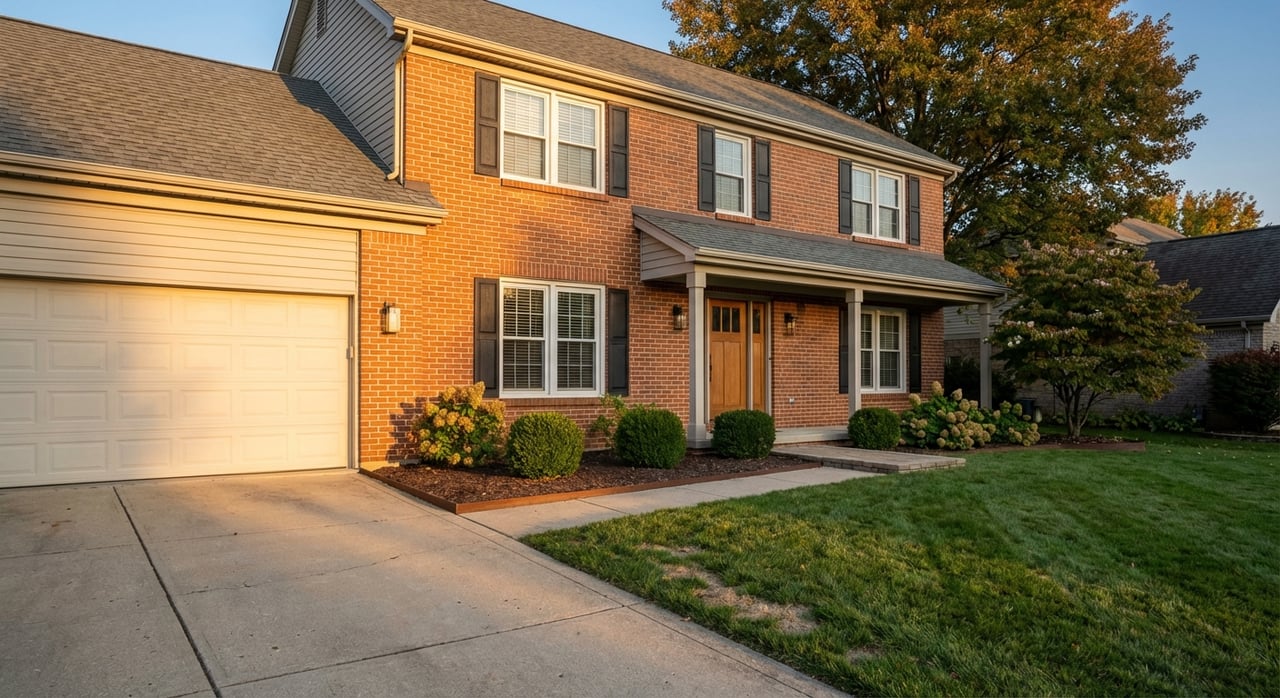
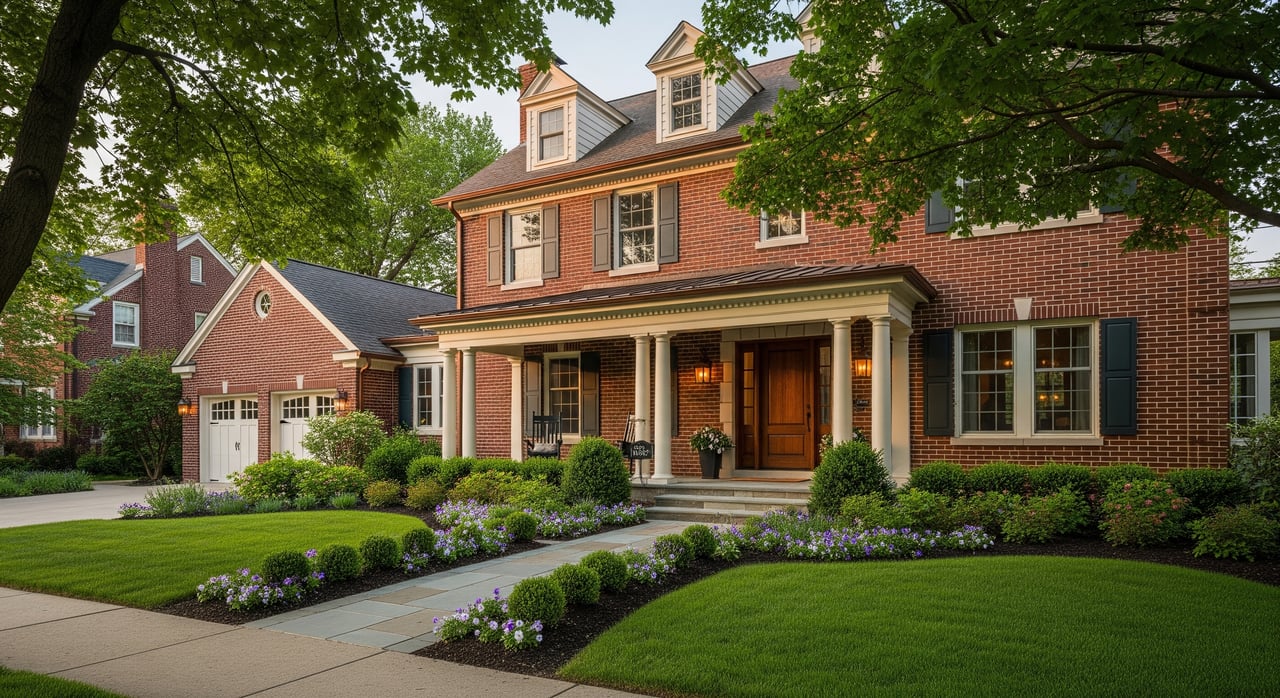
Centerville offers many established single-family neighborhoods, including ranch and colonial styles, with mature trees and local character. The historic downtown features walkable shops, dining, civic amenities, and community events. Renovations and infill can be common in sought-after streets, giving you options if you value charm and a classic neighborhood feel.
Beavercreek at a glance
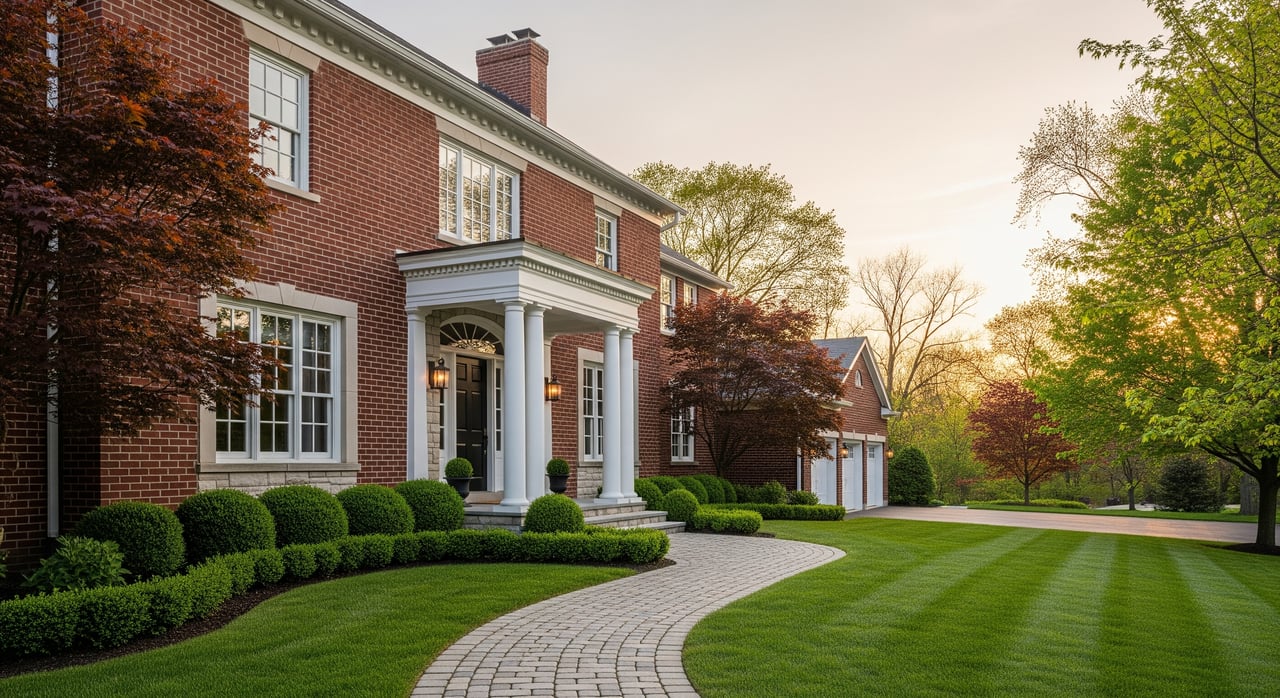
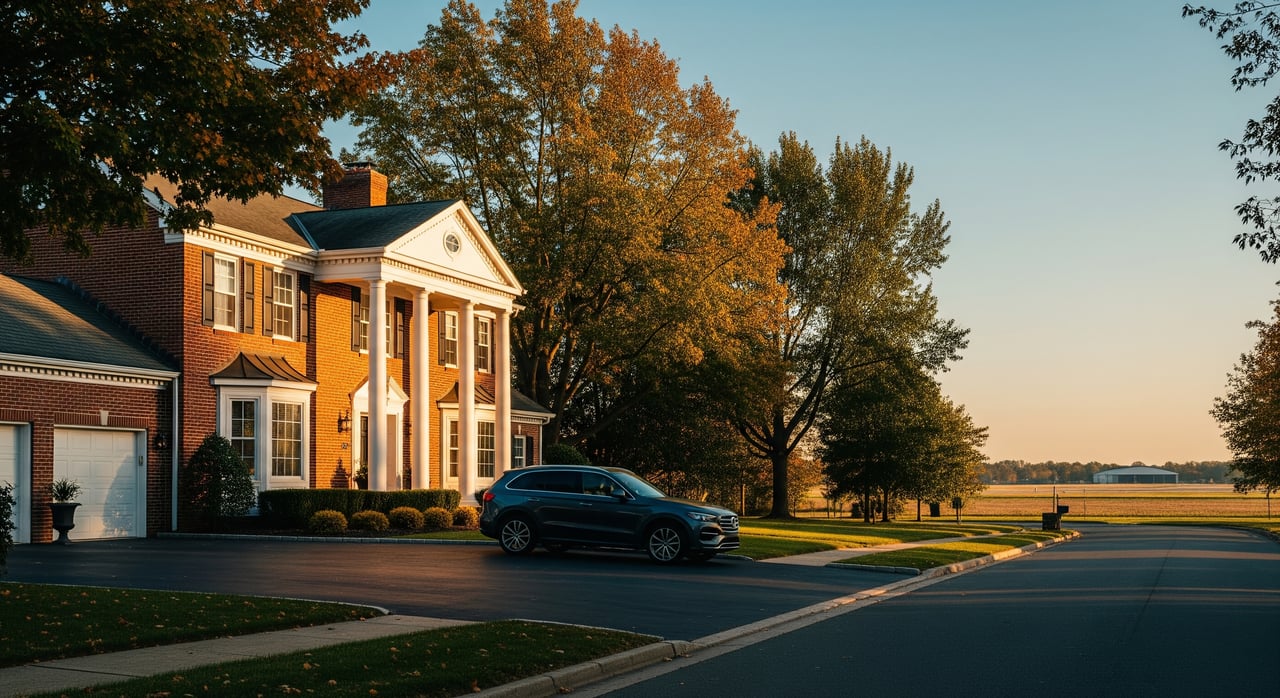
Beavercreek includes a higher share of newer subdivisions and master-planned communities developed over the last two to three decades. You will find larger newer homes and lots in many areas, along with mixed-use retail and entertainment hubs. The proximity to WPAFB is a core benefit, with many neighborhoods oriented to quick access to major arterials and shopping that supports post-work errands.
HOA prevalence and due diligence
What to expect
- Beavercreek: HOAs are more common due to the higher percentage of newer planned communities. Expect standards on exterior maintenance, landscaping, architectural review, and access to amenities like pools or parks.
- Centerville: A mix of non-HOA older neighborhoods and some HOA communities, especially in newer developments or areas with shared amenities.
Documents and checks to request
If you are considering an HOA community, ask for:
- Covenants, Conditions and Restrictions, bylaws, and rules and regulations.
- Budgets, reserve studies, insurance certificates, and recent meeting minutes.
- A statement of any pending litigation or special assessments.
- Details on Architectural Review Committee processes and enforcement procedures.
- Clarification on whether the HOA is professionally managed or self-managed.
These items help you understand fees, financial health, upcoming projects, and how rules are applied day to day.
Cost and tax considerations
Property taxes are driven by the county and school district for the parcel you choose. Centerville properties are in Montgomery County. Beavercreek properties are primarily in Greene County. Local levies and district lines vary, so compare effective tax rates and recent bills for each specific address on the appropriate county auditor and treasurer sites. If you have a lender, confirm their HOA approval requirements as part of your financing process.
Amenities and daily living
Shopping, services, and healthcare
- Beavercreek: Regional retail and mixed-use centers offer newer dining and entertainment, with shopping that often lines up with after-work routines.
- Centerville: A historic downtown with local shops and dining supports a walkable, community-focused lifestyle, along with established parks and civic amenities.
- Healthcare and services: Both areas are within the Greater Dayton healthcare network. Check drive times to your preferred hospitals, urgent care centers, and pharmacies from the exact neighborhood you are considering.
Schools and childcare
Centerville City Schools and Beavercreek City Schools serve most local addresses, though district boundaries can be complex and sometimes include small pockets that differ from city limits. Verify school assignments for the specific property, review state education report cards, and contact schools for enrollment details and programs that matter to your household.
Safety and environment
For a clear picture, compare long-term crime statistics and annual reports from local police departments rather than one-month snapshots. Visit neighborhoods at your usual commute times to get a feel for traffic and activity. Use FEMA flood maps and county GIS tools to evaluate any floodplain or creek-adjacent lots. Winter weather and occasional severe storms can affect reliability, so weigh the shorter drive from Beavercreek against the longer, highway-oriented routes from Centerville.
How to test the commute before you buy
- Identify your WPAFB building and the nearest gate or gates that fit your ID and access.
- Pick two or three candidate addresses in each city and run live mapping tests at the exact times you expect to leave in the morning and afternoon.
- Repeat on multiple weekdays to see the high and low range, not just a single snapshot.
- Compare routes that use a bypass versus surface streets to see which is more consistent.
- If possible, drive the route in person during your trip window to confirm what the app shows.
Relocation checklist for WPAFB buyers
- Commute: confirm worksite and gate alignment, then test travel times during your actual windows.
- HOA diligence: obtain CC&Rs, bylaws, rules, budgets, reserve study, insurance, minutes, and any special assessment notices.
- Taxes and utilities: check the county auditor and treasurer sites for recent tax bills, confirm municipal utility fees, and note any income tax.
- Schools: verify the address assignment and review state report cards. Call schools for enrollment and program details.
- Neighborhood fit: visit at commute times and weekends, check noise and traffic, and confirm proximity to groceries, medical care, and essentials.
- Resale and rules: ask about resale certificates, transfer fees, and rental limits if you might lease later.
Bottom line
If your primary goal is the shortest, most predictable drive to Wright-Patterson AFB, Beavercreek is usually the front-runner because of its proximity and direct routes. If you value established neighborhoods, a historic downtown, and the potential for fewer HOAs, Centerville offers a compelling lifestyle tradeoff with a somewhat longer commute. The best choice depends on your daily schedule, your tolerance for drive-time variance, and the neighborhood feel you want at home.
Need help narrowing your search and pressure-testing the commute from specific addresses? Reach out to Andrea Neswadi for disciplined, military-informed guidance and a clear plan tailored to your timeline.
FAQs
How do Centerville and Beavercreek commutes to WPAFB compare?
- Beavercreek typically offers shorter, more direct drives due to proximity, while Centerville often involves longer segments and connectors that can add variability.
What are typical WPAFB rush hours for planning?
- Morning peaks often run about 6:00 to 9:00 a.m., with afternoons about 3:00 to 6:00 p.m., though base shift schedules can shift these windows.
Which area has more HOAs if I prefer fewer rules?
- HOAs are more common in Beavercreek because of newer planned communities, while Centerville has a mix of non-HOA neighborhoods and some newer HOA areas.
How should I verify property taxes when comparing homes?
- Check the county auditor and treasurer sites for the specific parcel. Centerville is in Montgomery County and Beavercreek is primarily in Greene County.
What should I review in HOA documents before buying?
- Ask for CC&Rs, bylaws, rules, budgets, reserve study, insurance, recent minutes, and any special assessments, plus details on enforcement and architectural review.
Are there carpool or transit options to help with longer drives?
- WPAFB workplaces often support carpool and vanpool programs, and regional transit may connect to some areas. Confirm options and schedules early.
Is biking to Wright-Patterson AFB realistic from Beavercreek?
- It can be for some neighborhoods close to the base, but it depends on exact origin, bike routes, and weather. Evaluate safety and route quality first.
How do I choose the right WPAFB gate for my route?
- Identify your exact worksite, then confirm the nearest gate options and current hours. Gate choice can change travel time and predictability.