Wondering whether a single-family rental in West Chester, Ohio is a smart investment? You are not alone. Many buyers and current homeowners look at this area and see stable suburban housing, strong local employment, and homes that can appeal to long-term renters. The key is knowing how West Chester’s housing mix, local rules, and real monthly costs shape the numbers before you buy or convert a property. Let’s dive in.
Why West Chester Stands Out
West Chester Township is the largest township in Ohio by population, with more than 64,000 residents and more than 3,600 businesses. Local 2023 estimates place the population at 66,960 with 25,297 households, and the area is projected to keep adding households through 2028. That kind of scale matters because it points to an established suburban market rather than a small, niche rental pocket.
West Chester also has a strong local business base. The local demographic report counts 3,579 businesses and 52,665 employees, while the township describes itself as an economic center of the Cincinnati-Dayton region. For you as an investor, that supports the idea of steady rental demand from households that want suburban space with practical access to work and everyday services.
What the Rental Market Looks Like
West Chester is not primarily a renter-heavy market. Local estimates show 78.9% owner-occupied housing and 21.1% renter-occupied housing. That is one reason single-family investment properties here should be viewed as a suburban housing play, not an apartment-style volume strategy.
The local median rent is estimated at $1,160. For a wider comparison, Butler County’s current median gross rent is $1,135. These figures are useful as broad benchmarks, but they should not be treated as a guaranteed rent figure for any specific house.
Why Single-Family Homes Fit West Chester
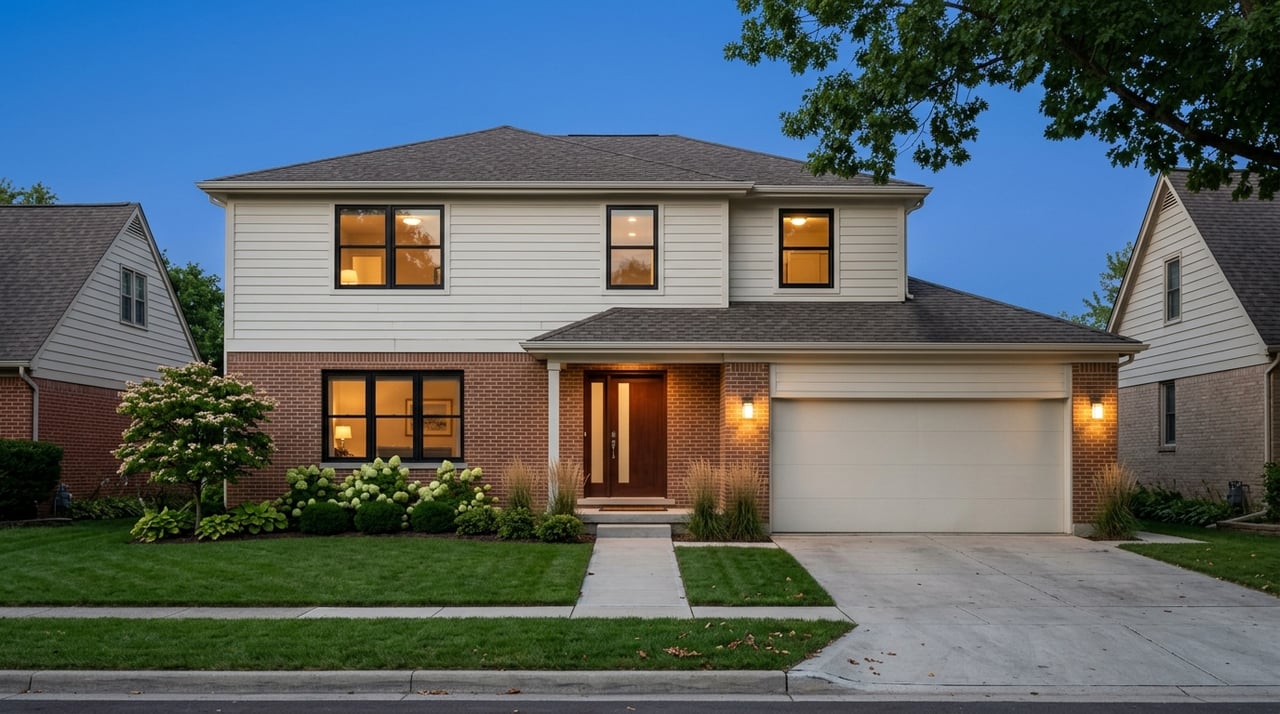
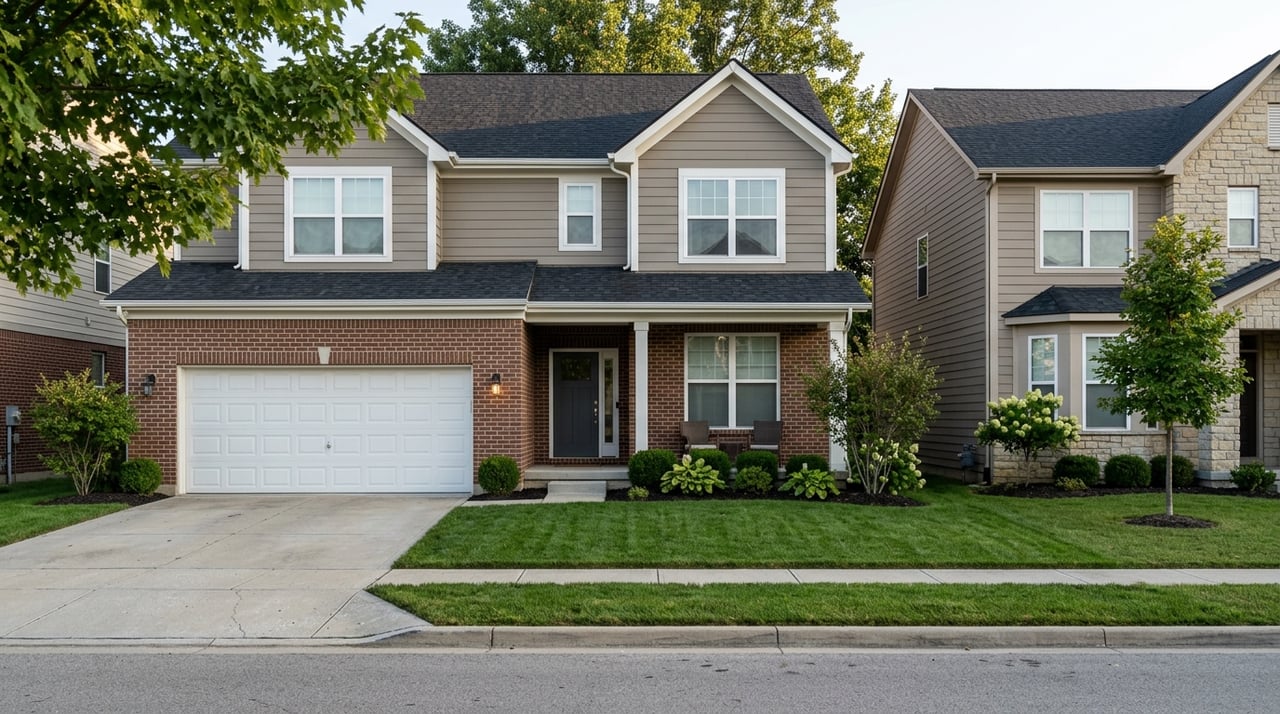
If you are focusing on detached homes, you are matching the area’s existing housing stock. West Chester’s homes are 71.6% single-detached units, with much smaller shares of attached housing and small multifamily structures. That makes single-family rentals one of the most natural property types to evaluate here.
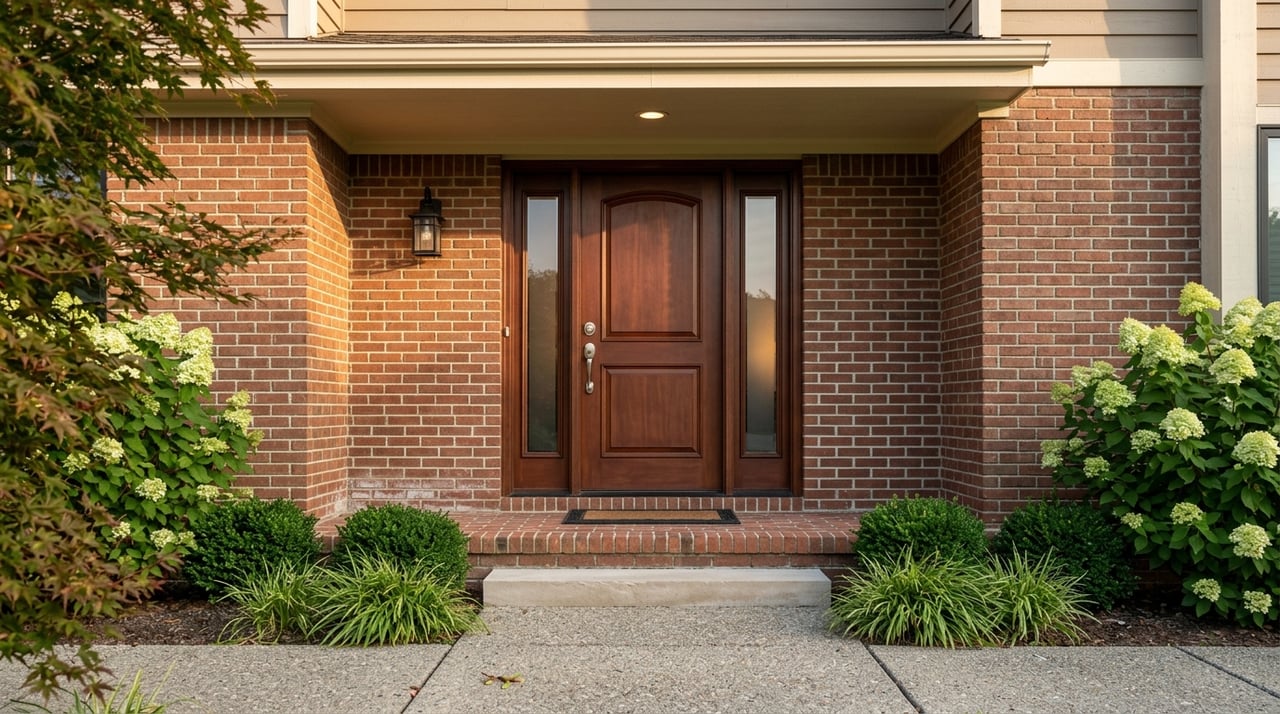
In practical terms, a well-kept detached house with functional space, parking, and manageable maintenance is likely to line up with what this market already offers. That does not mean every home will perform the same way, but it does mean the product type itself fits the local housing pattern.
What Tenants May Value Most
West Chester’s household profile suggests a car-oriented lifestyle. Households average 2.1 vehicles, with 44.9% having two vehicles and 26.2% having three or more. Even renter households average 1.5 vehicles, which makes parking and garage space more important than many investors first assume.
Commute patterns also matter. Many workers commute 15 to 29 minutes, a sizable share work from home, and another meaningful share commute under 15 minutes. For a rental property, that makes practical layout, driveway space, garage storage, and access to regional job centers especially relevant.
Watch the Age of the Housing Stock
West Chester’s median home age is 39.4 years, and many homes were built in the 1980s and 1990s. That can be a positive for investors who want established neighborhoods and larger detached homes, but it also means you should look closely at major systems.
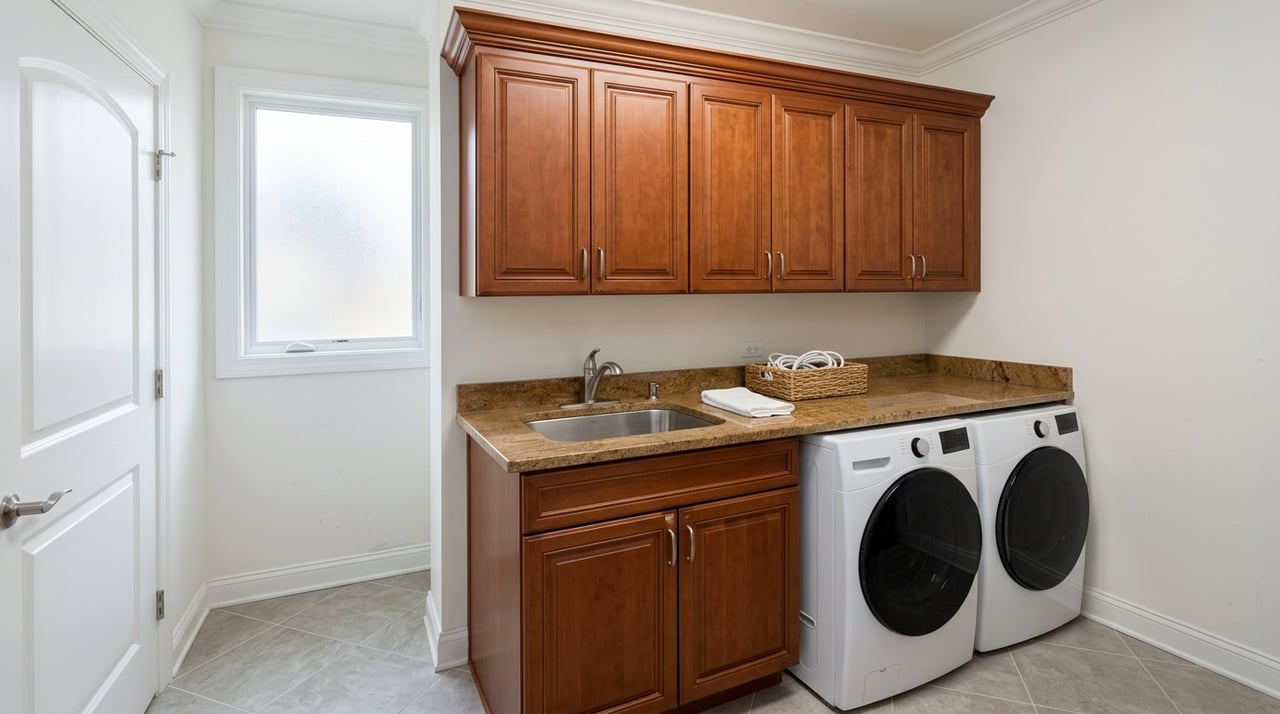
In many cases, the bigger risk is not cosmetic style. It is deferred maintenance. Roofs, HVAC systems, windows, plumbing, and electrical condition may matter more to your long-term returns than paint colors or countertop finishes.
Run the Numbers Carefully
A property that looks attractive at first glance can become cash-flow sensitive quickly. You need to account for the down payment, closing costs, moving expenses, and immediate repairs before the home is ready for a tenant or transition.
Consumer guidance commonly places closing costs around 2% to 5% of the purchase price. It also recommends keeping an emergency cushion of 3 to 6 months of expenses. If your down payment is under 20%, lenders usually require PMI or a government-backed alternative, which can affect your monthly numbers.
Property taxes and insurance also deserve careful attention. Many lenders collect them through escrow, and those escrow payments can rise if taxes or insurance premiums increase. That means your future monthly payment may not stay flat even if your principal and interest do.
Butler County’s current QuickFacts show median selected monthly owner costs with a mortgage at $1,665 compared with median gross rent of $1,135. That is not a direct rent-versus-payment formula for a specific investment house, but it is a useful reminder that your margin can tighten fast once you add taxes, insurance, and maintenance.
Check Local Rules Before You Buy
West Chester’s Community Development department handles zoning, permits, property uses, and property maintenance. The township says most construction or use changes require a zoning certificate. Common projects needing review include new construction, additions, remodeling, pools, garages, sheds, fences, decks, new signs, changes in use, and home occupations.
That matters if you are planning updates before renting the home. If your investment plan depends on adding a fence, finishing improvements, changing how part of the property is used, or making exterior changes, you should confirm what review is required before you assume your timeline or budget.
Exterior Upkeep Is Part of Ownership
West Chester also enforces a Property Maintenance Code. The township says grass and weeds cannot exceed 10 inches, junk and discarded furniture cannot remain outside an enclosed structure for more than 10 days, and junk motor vehicles must be licensed and operable.
For an investor, this is more than curb appeal. Exterior condition is part of operating the property responsibly. If you own a rental in West Chester, ongoing upkeep can affect both your tenant experience and your compliance with local standards.
Best Single-Family Rental Traits
If you are comparing homes, focus on features that fit West Chester’s suburban profile and support durable operations.
- Detached single-family layout
- Off-street parking or garage space
- Solid condition of roof, HVAC, windows, plumbing, and electrical
- Manageable yard and exterior upkeep
- Functional commuter access and everyday convenience
- A monthly cost structure that still works after maintenance and reserves
A property does not need every possible upgrade to be appealing. It needs to make sense as a long-term rental in a market where practicality often matters more than flash.
If You Are Converting Your Current Home
Some owners in West Chester plan to keep their current home as a rental when they buy their next one. That can work, but the financing side needs extra care. If you hope to use future rental income to help qualify for your next mortgage, your lender will usually want documentation.
Fannie Mae guidance shows that recently converted properties may require a lease, settlement statement, and or Schedule E, depending on the situation. The treatment of rental income also depends on whether the property is newly placed in service or already has a year of rental history.
There is another detail many buyers miss. If you have a current housing payment and property-management experience, rental income may be used with no restrictions. Without that history, the income may only be used to offset the property’s PITIA, which stands for principal, interest, taxes, insurance, and association dues.
A Smart West Chester Investment Approach
The strongest investment approach in West Chester is usually the most disciplined one. Look for a detached home that fits the area’s housing mix, inspect major systems before you get distracted by cosmetic updates, and build a monthly budget that can handle taxes, insurance, and maintenance.
If you are buying your first investment property or turning your current home into a rental, it helps to work with someone who understands both the local market and the process details that can affect your next move. If you want help evaluating a home, comparing options, or planning a smart next step in West Chester, connect with Andrea Neswadi.
FAQs
What rent can you expect for a single-family investment property in West Chester, OH?
- Local 2023 estimates place median rent in West Chester at $1,160, while Butler County’s median gross rent is $1,135. Use those as broad benchmarks rather than exact pricing for a specific house.
What types of investment homes fit West Chester, OH best?
- Detached single-family homes are the most natural fit because 71.6% of West Chester’s housing stock is single-detached, and the area has a more suburban owner-heavy housing profile.
What should you inspect first on an older West Chester, OH rental home?
- Start with major systems such as the roof, HVAC, windows, plumbing, and electrical, since many local homes were built in the 1980s and 1990s and system condition may affect both cost and durability.
What local rules matter for West Chester, OH investment properties?
- West Chester’s Community Development department oversees zoning, permits, property uses, and maintenance, and many projects or use changes require review or a zoning certificate.
Can projected rent from a West Chester, OH home help you qualify for your next mortgage?
- Possibly, but only with caution. Lender treatment of rental income depends on documentation, whether the property is newly placed in service or has rental history, and whether you have a current housing payment and property-management experience.