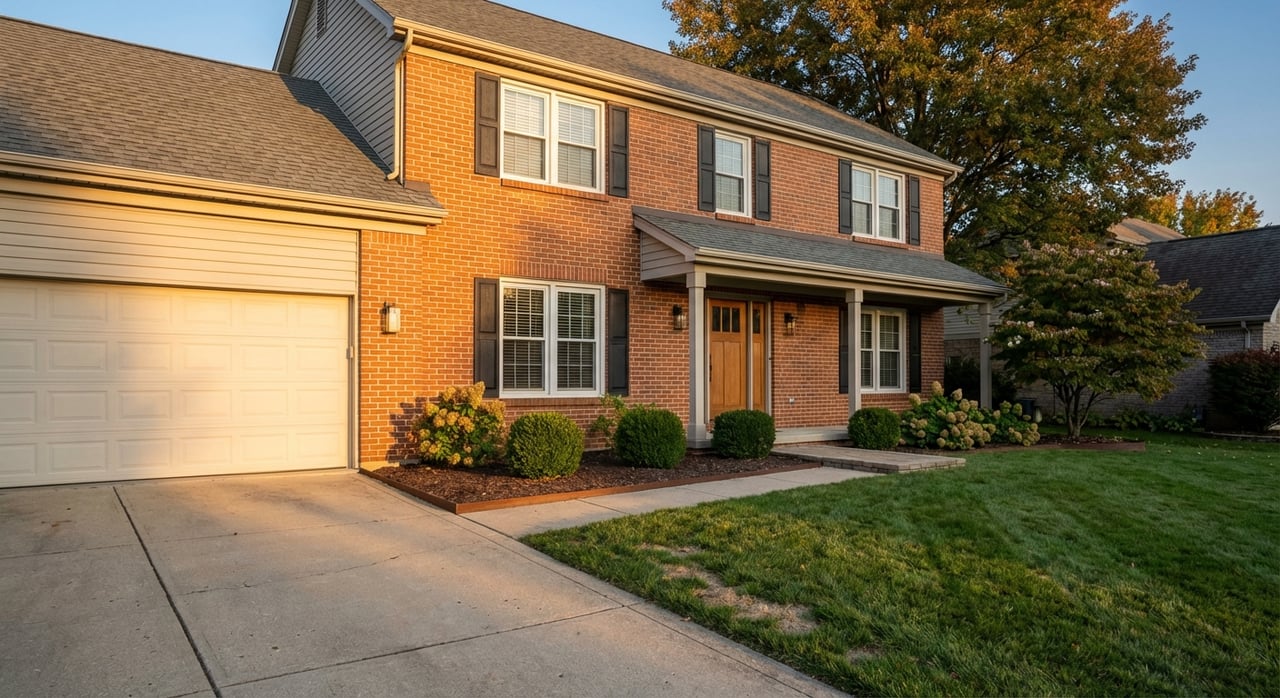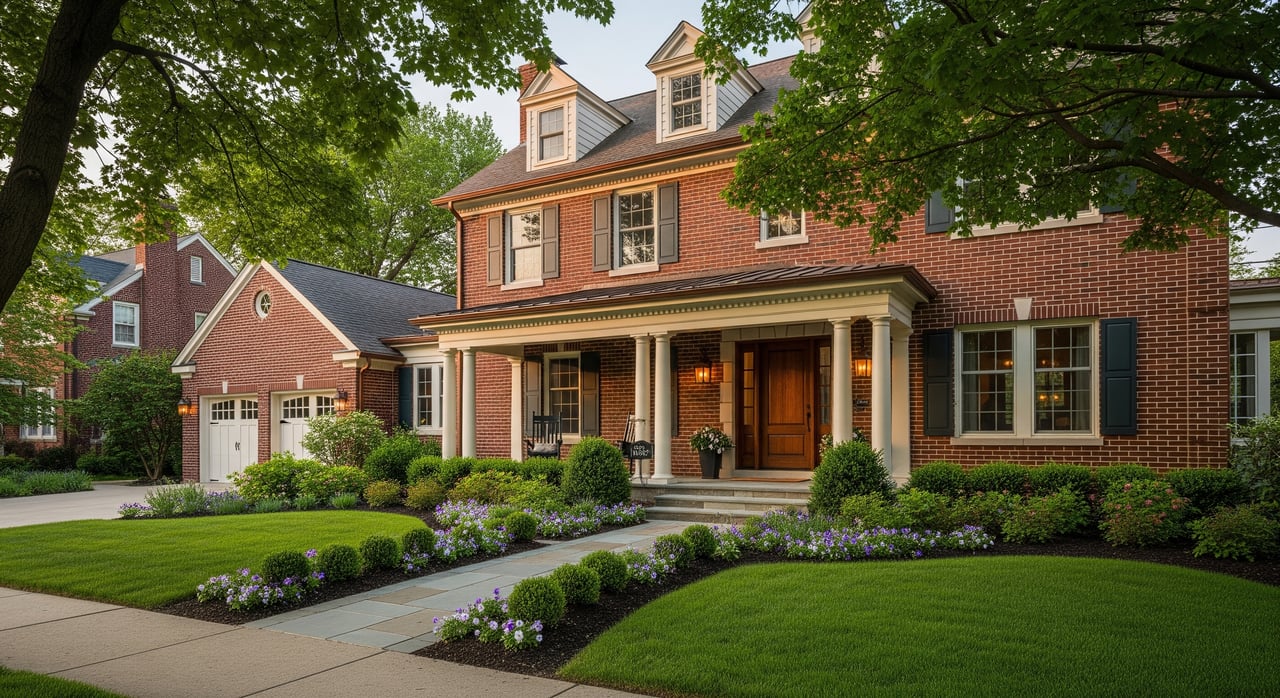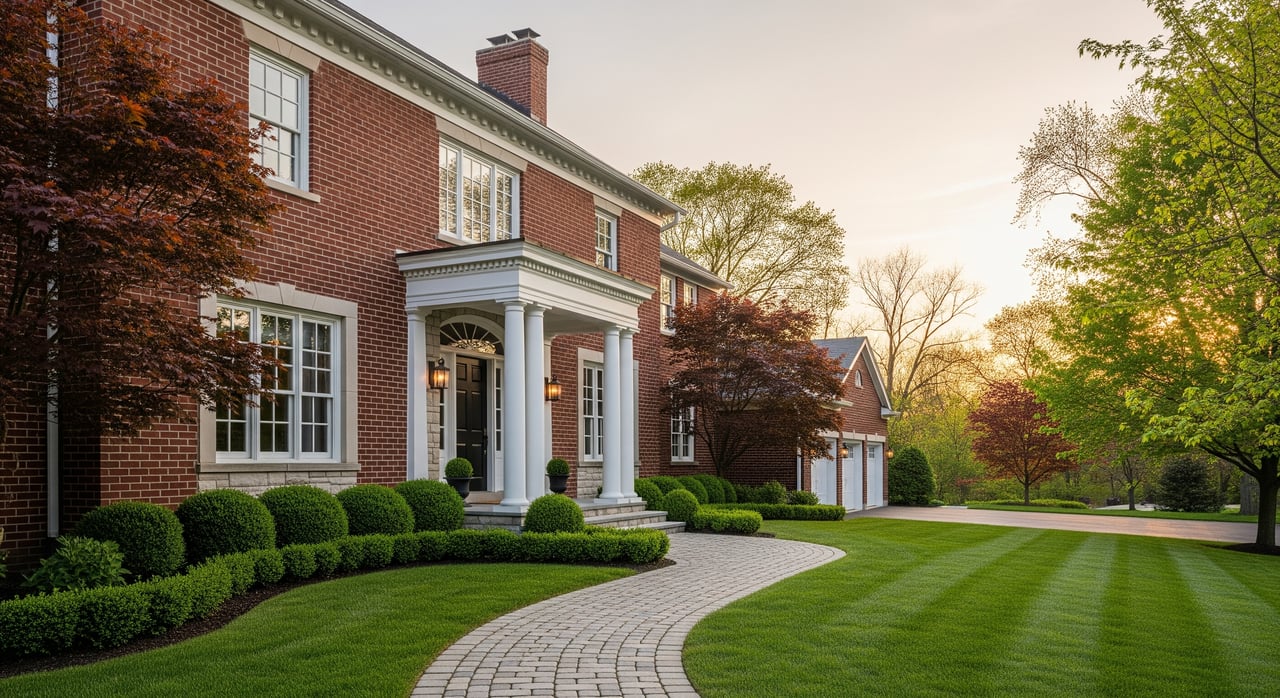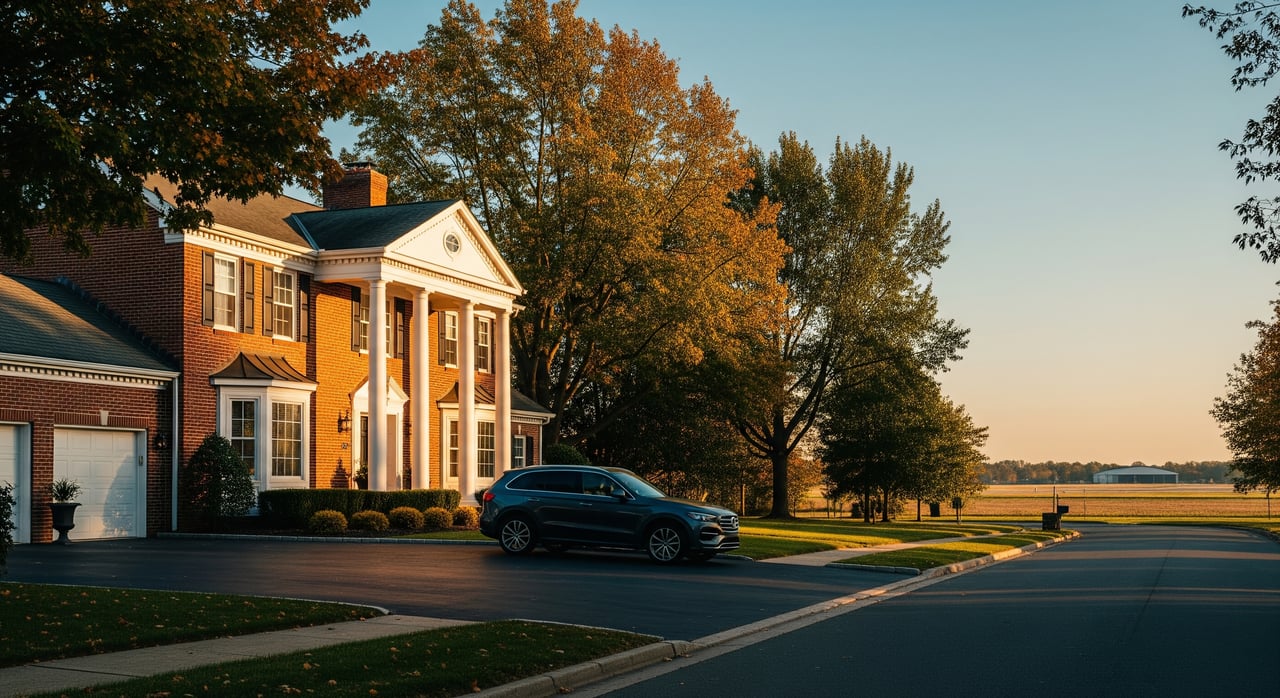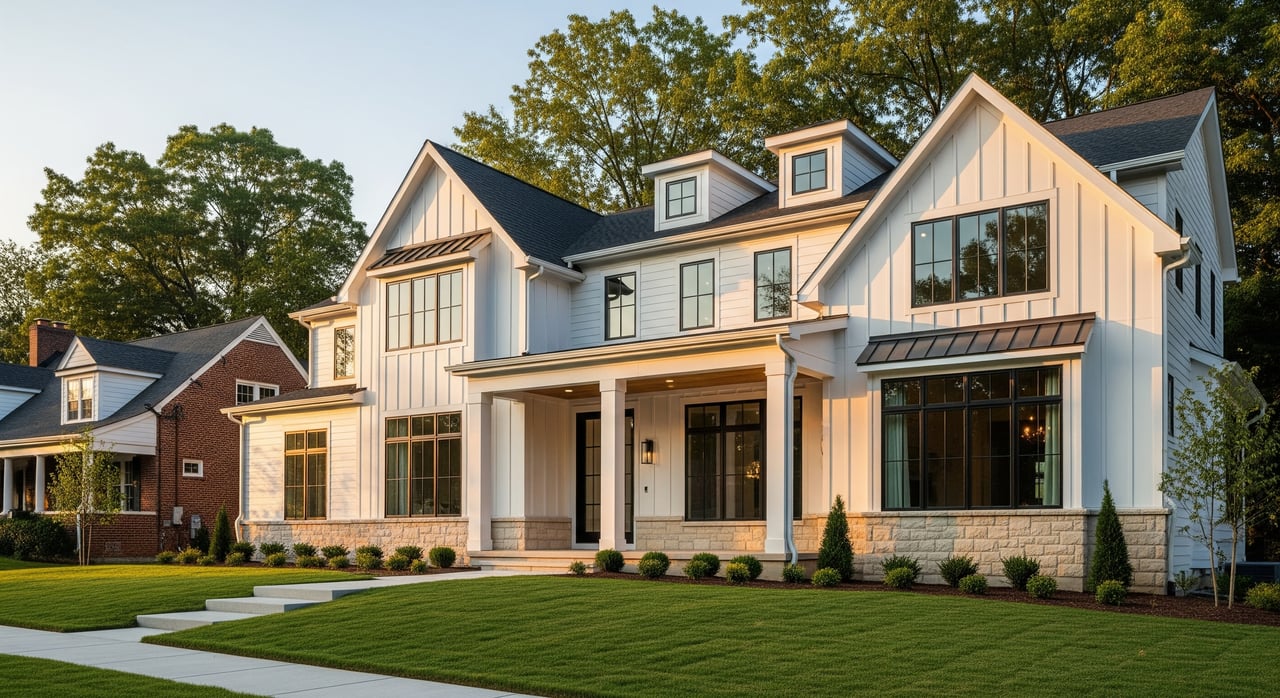
Torn between a brand-new build and a move-in-ready resale in Union Township? You are not alone. The 45102 area offers a mix of newer builder communities and established neighborhoods, each with different timelines, protections, and costs. In this guide, you will learn how new construction and resale compare on build time, inspections, warranties, financing, HOAs, and daily logistics so you can choose with confidence. Let’s dive in.
45102 housing at a glance
Union Township in Clermont County blends suburban subdivisions, single-family neighborhoods, and newer builder communities. You will see production builder neighborhoods, smaller infill projects, and occasional custom homes. Many newer subdivisions include HOAs that set design standards and fees.
Before you focus on a specific home, map neighborhood boundaries carefully. The 45102 ZIP overlaps nearby areas, and school district lines and tax rates can change across boundaries. Always confirm taxes and districts with official county records before you write an offer.
Timeline: move-in speed vs build-to-suit
Resale timelines
If you are prepared with financing and inspections, most resale transactions close in about 30 to 60 days. Your contract likely includes inspection, appraisal, and financing contingencies. You can also request HOA documents if the property is in a managed community.
Spec home timelines
If you find a spec home already underway or complete, closing can happen once the builder’s lender process, municipal Certificate of Occupancy, and title work are finished. Expect roughly 30 to 90 days depending on the stage of construction and documentation.
To-be-built timelines
If you select a plan and build from scratch, the process commonly runs 4 to 12 months or longer. The schedule depends on permits, weather, supply chain conditions, lot release timing, and your level of customization. Ask for a written schedule with milestone dates in your contract.
Local delay risks
In Union Township and Clermont County, delays can come from permit and inspection backlogs, utility hookups, road acceptance in new subdivisions, weather, subcontractor availability, and change orders. Missing design or selection deadlines can also push delivery. Clarify remedies, delivery guarantees, and any liquidated damages language in writing.
Costs and financing
Price vs options
With new construction, advertised base prices often exclude many popular upgrades. Flooring, appliances, landscaping, and structural changes can add up. Ask for an itemized list of included features and a written allowances schedule so you know your true budget.
Change orders
Design changes during construction usually carry markups and can slow progress. Get the change-order process, deadlines, and pricing in writing before you sign.
Financing paths
For resale and most spec homes, you can use conventional, FHA, VA, or USDA financing if eligible. To-be-built and true custom homes often require a construction-to-permanent loan or a separate construction loan followed by a mortgage. Lenders release funds in stages and may require inspections at each draw. Appraisals for new builds consider the lot and planned improvements, and some lenders have specific requirements regarding builder credentials and escrow holds.
Negotiation leverage
Resale homes can offer flexibility on price, closing credits, and repairs depending on market conditions and inspection results. Large production builders may keep base prices firm but often provide incentives like closing cost help, rate buydowns, or upgrade packages. Smaller builders or sellers with completed spec homes may be more open to price negotiations.
Inspections, permits, and code
New construction municipal checks
Builders must pull permits and pass staged inspections for footing, framing, mechanical rough-ins, insulation, and the final. A Certificate of Occupancy, or equivalent, should be issued before closing. Ask for copies of the building permit, inspection sign-offs, and the final CO, and confirm with Union Township or Clermont County records.
Independent inspections still matter
Municipal inspections verify code compliance, but they do not replace an independent buyer’s inspection. Schedule your own inspection near the end of construction to identify incomplete work and punch-list items. Specialty checks can include HVAC start-up, air sealing tests, insulation verification, plumbing pressure tests, electrical checks, and a roof review.
Resale inspections
For resale, plan a full home inspection and consider a radon test, termite or wood-destroying insect inspection where required, a sewer scope for older lines, and septic and well inspections if the property is not on public utilities. Review any past permits for additions or renovations.
Environmental testing in Ohio
Radon levels can be elevated in Ohio, so testing during your inspection period is commonly recommended. Federal lead-based paint disclosures apply to homes built before 1978. If a property has a well or septic, the Clermont County Health Department can advise on water testing and system records.
Warranties and protections
Typical builder coverage
Many builders follow a common structure: a 1-year workmanship and materials warranty, a 2-year systems warranty for plumbing, electrical, and HVAC, and a 10-year structural warranty, often through a third-party provider. Terms vary by builder, so request the full warranty document, claim procedures, response time standards, and exclusions in writing. Ask if the warranty is transferable, which can help resale value.
Resale protections
Resale homes rely on seller disclosures, your inspection contingency, and negotiated repairs or credits. Sellers typically do not offer multi-year warranties, though you can purchase a one-year home warranty policy at closing if you want extra peace of mind.
Documents to request
For new builds, request the warranty, permits, inspection sign-offs, grading and drainage plans, and manufacturer warranties for appliances and mechanicals. For resale, request the seller’s property disclosure, recent utility bills, repair permits, and any inspection reports. For HOA properties, review covenants, budgets, and meeting minutes, and ask about pending assessments.
Taxes, HOAs, and neighborhood details
Property tax basics
New construction will be added to the county tax rolls once improvements are recorded, which can change the tax bill after your first year. Ask for estimates before you close and confirm with the Clermont County Auditor.
HOA items to review
If you are considering a home in an HOA, review the governing documents, rules, fee schedule, and projected budget. Ask what developer obligations remain, when road or amenity maintenance shifts to the HOA, and whether a reserve study exists. Meeting minutes can reveal planned improvements and potential assessments.
Floodplain and stormwater
Check whether a lot sits in a floodplain and review subdivision stormwater management plans. Newer communities often have engineered detention or retention areas that shape grading and yard use. Confirm how the HOA or developer handles maintenance.
School district boundaries
School districts can change across neighborhood lines. Verify boundaries directly with official sources before making a decision. Keep your language neutral and focus on commute, programs, and logistics rather than subjective ratings.
Which path fits your goals
Choose new construction if you want
- Modern systems, energy efficiency, and a clean maintenance slate.
- Personalized floor plans, finishes, and lot orientation.
- Builder warranties and a structured post-closing process.
- A longer timeline that matches your move plan.
Choose resale if you want
- A faster move-in, often within 30 to 60 days.
- Established neighborhoods, mature landscaping, and existing community services.
- More room to negotiate price, credits, or repairs.
- Predictable carrying costs during the transaction period.
Buyer checklists for 45102
New construction checklist
- Purchase agreement with itemized inclusions and exclusions.
- Full warranty document, claim process, and contacts.
- Construction schedule with milestone dates and remedies.
- Builder credentials and references.
- Permit history, inspection sign-offs, and Certificate of Occupancy.
- Grading and drainage plan; stormwater and erosion control details.
- HOA covenants, budget, fee schedule, and meeting minutes.
- Utility hookup agreements and site work scope.
- Energy specifications and testing standards.
- Independent end-of-construction inspection and optional specialty tests.
Resale checklist
- Seller property disclosure and full permit history.
- Home inspection, radon test, and termite inspection if required.
- Septic and well records if applicable; sewer scope for older lines.
- HOA documents and meeting minutes if in a managed community.
- Recent utility bills and service provider details.
- Manuals and warranties for appliances and systems.
Universal due diligence
- Title search and survey or updated survey.
- Property tax history and projected new-construction tax estimates.
- Insurance quotes, including flood insurance if in a flood zone.
- Comparable sales to understand pricing.
- School district and municipality verification for the exact address.
The bottom line
New construction and resale both work well in Union Township. Your best path depends on your timeline, tolerance for decisions, and appetite for personalization. If you prefer a tailored home with warranty structure and can wait several months, new construction can be a great fit. If you want a faster move with more negotiation room and established surroundings, focus on resale.
If you would like a clear plan from first tour to closing, reach out to an experienced local advisor who understands Union Township permits, timelines, and HOA nuances. Connect with Andrea Neswadi for disciplined, tech-enabled guidance that keeps you informed at every step.
FAQs
Are municipal inspections enough for a new home in Union Township?
- Municipal inspections confirm code compliance, but you should still hire an independent inspector and complete a punch-list walkthrough before closing.
How long does a to-be-built home take in 45102?
- Build times commonly range from 4 to 12 months or longer depending on permits, weather, supply chain, lot release, and your customization level.
Can you negotiate price on new construction here?
- Base prices with large production builders may be firm, but you can often negotiate incentives like closing costs, rate buydowns, or upgrades; spec homes may have more flexibility.
Should I test for radon in Clermont County?
- Yes, radon testing is commonly recommended in Ohio; a short-term test during your inspection period is a simple way to assess levels.
What HOA documents should I review for a new community?
- Review covenants, rules, fee schedules, budgets, meeting minutes, and any developer obligations so you understand future responsibilities and potential assessments.
How do taxes work on new construction in Clermont County?
- New homes are added to the tax rolls after improvements are recorded; ask for pre- and post-improvement tax estimates and confirm with the county auditor before closing.